In today’s fast-moving digital landscape, businesses rely on technology to manage customer relationships and maintain their online presence. Customer Relationship Management systems and business websites are essential tools that support communication, data management, and service delivery. However, these systems must be reliable and efficient to meet growing user expectations. This is where professional CRM testing and ongoing website maintenance become critical for ensuring smooth and uninterrupted operations.
A CRM system acts as the backbone of customer interactions, storing valuable information and helping teams manage leads, sales, and support. At the same time, a website serves as the public face of a business, often being the first point of contact for potential customers. Any issues in these systems can result in lost opportunities, reduced trust, and decreased productivity. By focusing on testing and maintenance, businesses can prevent problems before they occur and maintain a strong digital presence.
Why CRM Testing Is Important
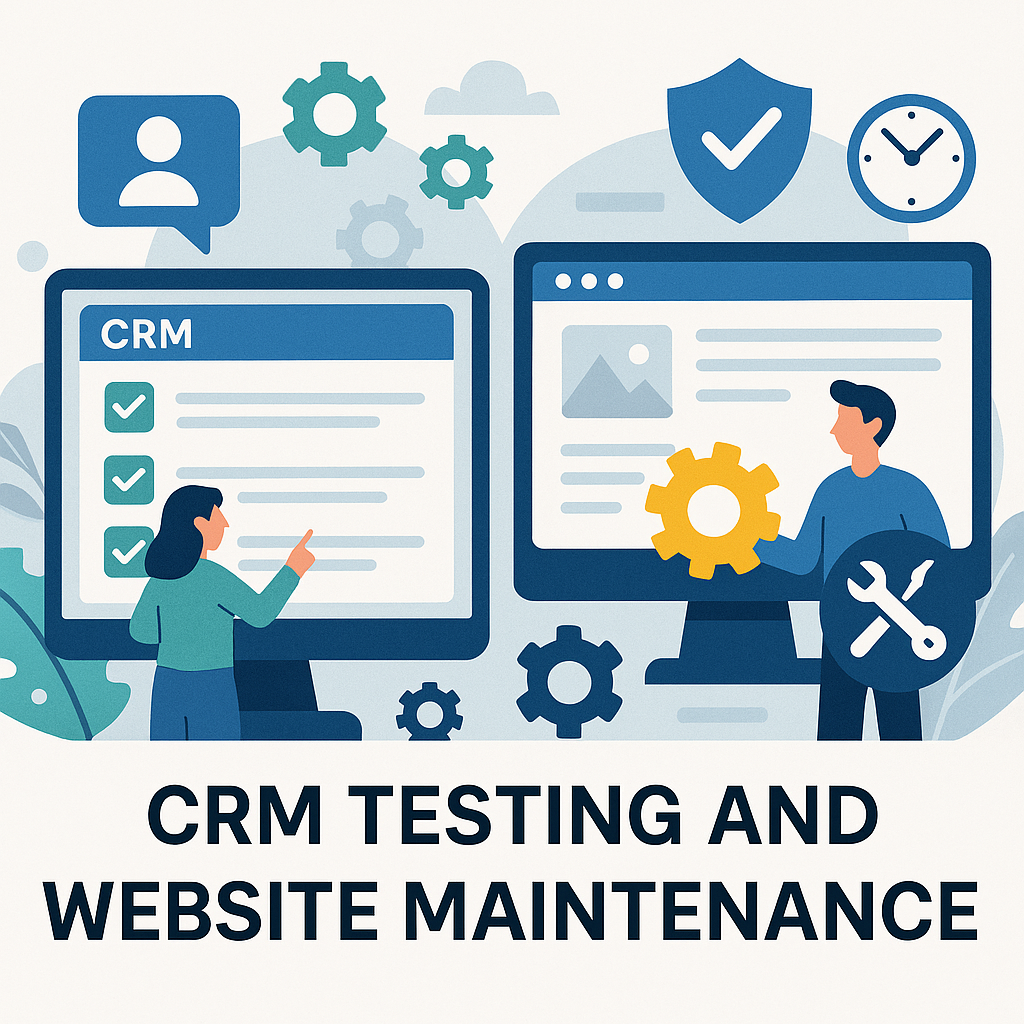
Effective CRM testing ensures that customer data is handled accurately and that all system functionalities work as expected. CRM platforms are often complex, involving integrations with multiple tools such as marketing software, payment systems, and communication channels. Testing helps verify that these integrations function seamlessly and that data flows correctly between systems.
Another key aspect of CRM testing is ensuring data security and access control. Businesses must protect sensitive customer information by validating user roles and permissions. This reduces the risk of unauthorized access and ensures compliance with data protection standards.
Testing also helps identify performance issues. A slow or unresponsive CRM system can disrupt workflows and reduce team efficiency. By identifying and resolving such issues early, businesses can ensure their systems operate smoothly and support daily operations effectively.
The Role of Website Maintenance
While testing ensures system functionality, website maintenance focuses on keeping a website updated, secure, and optimized. A well-maintained website provides a better user experience, improves search engine rankings, and supports business growth.
Regular website maintenance includes updating content, fixing broken links, improving loading speed, and ensuring compatibility across devices and browsers. Without proper maintenance, websites can become outdated and vulnerable to security threats. This can negatively impact user trust and reduce engagement. Neglecting website maintenance can lead to serious issues that affect both performance and reputation. Outdated software and plugins may create security vulnerabilities, making the site an easy target for hackers. Over time, slow loading speeds, broken features, and poor mobile responsiveness can frustrate users and increase bounce rates. Inconsistent or outdated content may also damage credibility and reduce customer trust. Additionally, search engines may rank poorly maintained websites lower, decreasing visibility and traffic. Regular upkeep ensures your website remains functional, secure, and aligned with evolving user expectations.
Security is another important factor. Regular updates and monitoring help protect websites from cyberattacks and data breaches. A secure website not only protects business data but also builds confidence among users.
Benefits of Combining CRM Testing and Website Maintenance
Integrating CRM testing with website maintenance provides a comprehensive approach to managing digital systems. Businesses that invest in both practices can experience several benefits:
- Improved Reliability: Systems and websites function without unexpected interruptions
- Enhanced User Experience: Smooth performance leads to higher customer satisfaction
- Accurate Data Management: Reduces errors and ensures consistency
- Stronger Security: Protects sensitive information and prevents vulnerabilities
- Increased Efficiency: Minimizes downtime and improves productivity
These advantages highlight the importance of maintaining both internal systems and external platforms.
Automation and Continuous Monitoring
Modern businesses are increasingly adopting automation to support CRM testing and website maintenance. Automated tools can perform regular checks, run test cases, and monitor system performance in real time. This helps identify potential issues before they become major problems.
Continuous monitoring also provides valuable insights into system performance. For example, businesses can track website traffic, loading times, and user behaviour. This data can be used to make informed decisions and improve overall performance.
By combining automation with manual expertise, companies can achieve a balanced and effective approach to system management.
Best Practices for Long-Term Success
To maximize the benefits of CRM testing and website maintenance, businesses should follow a structured approach. Defining clear objectives ensures that testing and maintenance efforts align with business goals. Regular updates and audits help keep systems secure and up to date.
It is also important to test systems whenever new features or integrations are introduced. This ensures that changes do not disrupt existing functionality. Working with experienced professionals can further enhance the effectiveness of these processes.
Conclusion
Maintaining reliable digital systems is essential for long-term business success. By investing in professional CRM testing and consistent website maintenance, organizations can ensure smooth operations, protect valuable data, and deliver better user experiences. With expert support from IntegraQA, businesses can confidently manage their digital platforms, reduce risks, and focus on growth while maintaining the highest standards of quality and performance.